
Catholic Mass is not offered on Good Friday.
Watch the Original

Engagement Metrics
About the Creator
Emily Zanotti is a Catholic commentator and content creator known for sharing faith-based insights and liturgical facts on X (formerly Twitter). Her style is straightforward and informative, often highlighting unique aspects of Catholic tradition to educate her audience. She has built credibility through consistent, accurate posts on religious topics, resonating with Catholic communities online.
What's This About?
This post states that Catholic Mass is not offered on Good Friday, a key liturgical observance in the Roman Catholic Church commemorating Jesus Christ's Passion and death. Instead, a 'Celebration of the Lord's Passion' or 'Mass of the Presanctified' occurs, using hosts consecrated on Holy Thursday, without new consecration to emphasize the reality of Christ's sacrifice over its sacramental representation. This practice, rooted in ancient tradition and explained by St. Thomas Aquinas, underscores themes of sorrow, loss, and historical remembrance on this unique day when no Mass is celebrated worldwide.
🔥Why It's Trending
The post is trending as today is Good Friday, April 3, 2026, drawing heightened interest in Holy Week observances during Easter season. Many users seek clarification on Catholic rituals amid global liturgical events, amplifying shares and discussions. Its simple, factual nature makes it highly shareable for educational purposes during this solemn time.
💡Fun Facts
- 1Good Friday is the only day of the year when no Mass is celebrated in the Catholic Church[1][2].
- 2Communion on Good Friday uses hosts consecrated on Holy Thursday, called the 'Mass of the Presanctified'[6].
- 3St. Thomas Aquinas explained it as the 'figure' (Mass) ceasing for the 'reality' of Christ's Passion[1][2].
- 4Church bells are silent, altars left bare, and a profound liturgical quiet follows the rites[3][6].
- 5This practice dates to the earliest days of the Church, emphasizing Christ's humiliation and suffering[1][6].
📚Read More
← Swipe to see more →
More Trending on Twitter

Do you have to be able to pass a basic American History test to be in Congress? Apparently not. S...
Do you have to be able to pass a basic American History test to be in Congress? Apparently not. She thinks World War II is World War Eleven. A proud product of The Learing Center. https://t.co/X9yCM4zfef
by John Rich🇺🇸
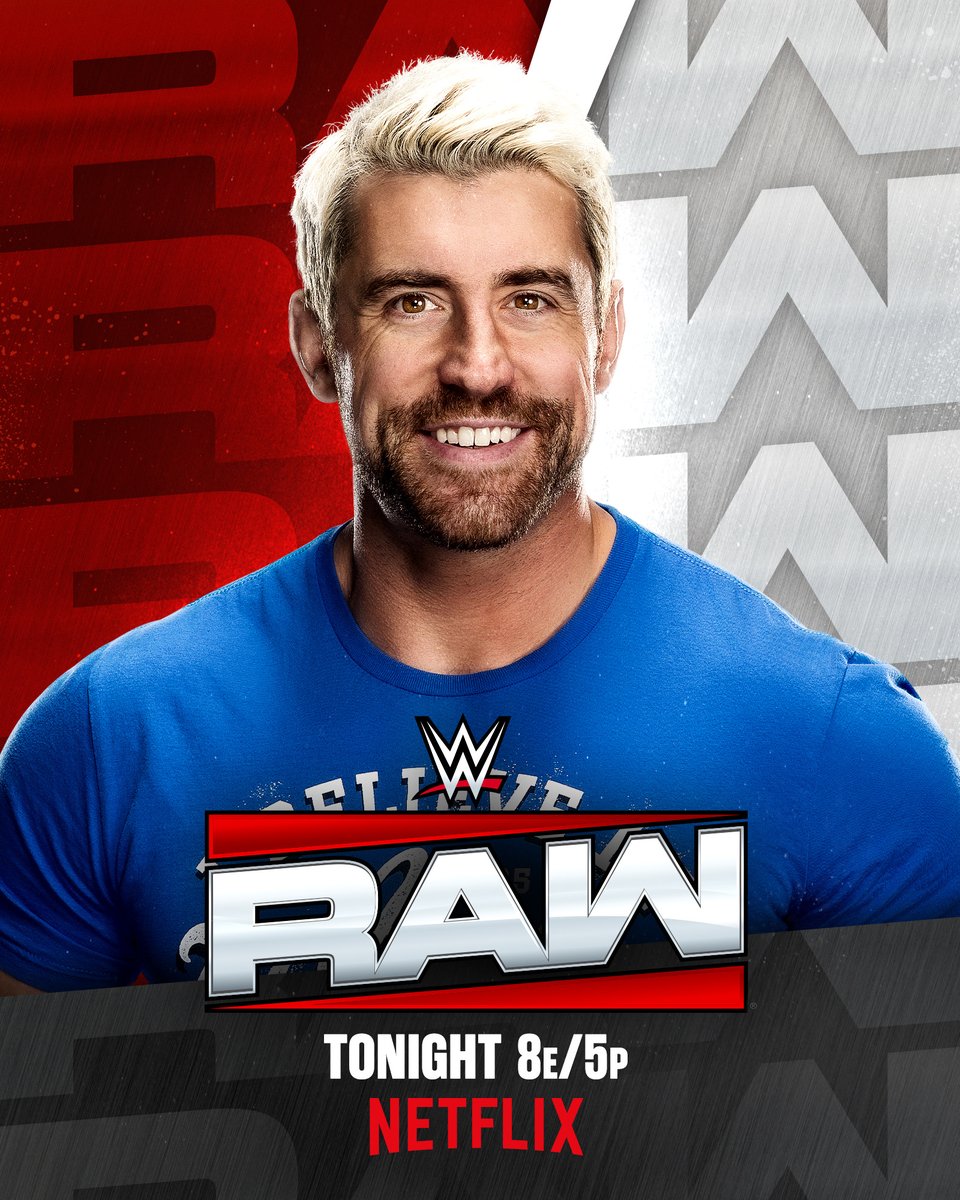
Say his name and he appears! @joehendry will be LIVE in concert TONIGHT on #WWERaw! 📍: Laredo...
Say his name and he appears! @joehendry will be LIVE in concert TONIGHT on #WWERaw! 📍: Laredo, TX 🎟️: https://t.co/yz7PNZVcix 📺: 8 ET/5 PT on @netflix https://t.co/CJEJe6Z1xJ
by WWE

Sure what Jimmy Kimmel said was over the line, but I just think he should be fired because his sh...
Sure what Jimmy Kimmel said was over the line, but I just think he should be fired because his show sucks and he’s a shit comedian.
by Brandon Herrera