
GORSUCH: Do you think Native Americans are birthright citizens under your test? SAUER: Ah, I thi...
Watch the Original

Engagement Metrics
About the Creator
Aaron Rupar is a prominent liberal political commentator and journalist known for his rapid-fire Twitter threads and video clips highlighting moments from political events, particularly those involving conservative figures. His style is concise, often sarcastic, and focused on exposing perceived hypocrisies or stumbles in real-time. Rupar has built significant credibility among left-leaning audiences for his consistent coverage of Trump-era politics and Supreme Court proceedings.
What's This About?
This Twitter post captures a tense exchange during Supreme Court oral arguments in Trump v. Barbara, where Justice Neil Gorsuch questions Solicitor General John Sauer on whether Native Americans would qualify as birthright citizens under the Trump administration's proposed test for the 14th Amendment. Sauer hesitates, saying 'Ah, I think ... so. I have to think that through,' highlighting potential flaws in the administration's challenge to birthright citizenship. The case stems from Trump's executive order limiting citizenship to children of citizens or legal permanent residents, invoking historical precedents like Elk v. Wilkins (1884), which initially excluded Native Americans born on tribal lands from birthright citizenship until the Indian Citizenship Act of 1924. Key themes include the scope of 'subject to the jurisdiction thereof,' historical treatment of Native Americans, and the risk of upending long-standing interpretations from United States v. Wong Kim Ark (1898).[1][3][5][6]
🔥Why It's Trending
The clip is trending due to oral arguments occurring on March 31, 2026, just before a potential July 2026 decision that could redefine U.S. citizenship amid ongoing immigration debates. Sauer's hesitation draws attention to vulnerabilities in the Trump administration's position, amplified by Rupar's influential account with millions of followers. It resonates now as it ties into broader discussions on the 14th Amendment's original intent and exceptions for groups like Native Americans.[1][2][4]
💡Fun Facts
- 1Native Americans were not granted birthright citizenship until the Indian Citizenship Act of 1924, over 50 years after the 14th Amendment.
- 2In Elk v. Wilkins (1884), the Supreme Court ruled that Native Americans born on tribal lands were not 'subject to U.S. jurisdiction,' unlike children of immigrants.[5][6]
- 3United States v. Wong Kim Ark (1898) affirmed birthright citizenship for children of non-citizen Chinese immigrants, setting a broad precedent.[1][3]
- 4Only about 30 countries worldwide practice unrestricted birthright citizenship like the U.S., making it relatively rare globally.[2]
- 5Today's babies born on tribal lands are citizens by statute, not solely the 14th Amendment, per post-1924 law.[8]
📚Read More
← Swipe to see more →
More Trending on Twitter

Do you have to be able to pass a basic American History test to be in Congress? Apparently not. S...
Do you have to be able to pass a basic American History test to be in Congress? Apparently not. She thinks World War II is World War Eleven. A proud product of The Learing Center. https://t.co/X9yCM4zfef
by John Rich🇺🇸
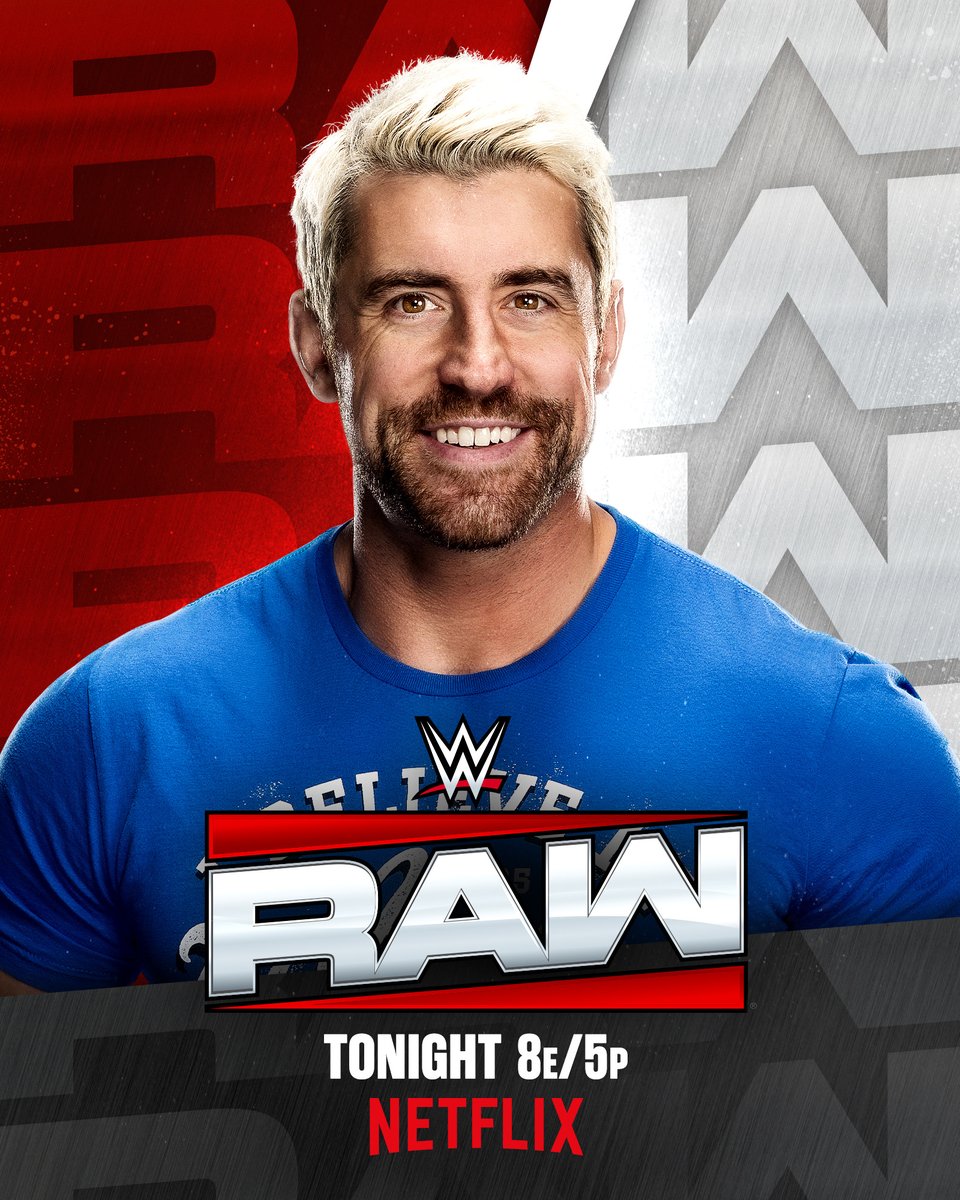
Say his name and he appears! @joehendry will be LIVE in concert TONIGHT on #WWERaw! 📍: Laredo...
Say his name and he appears! @joehendry will be LIVE in concert TONIGHT on #WWERaw! 📍: Laredo, TX 🎟️: https://t.co/yz7PNZVcix 📺: 8 ET/5 PT on @netflix https://t.co/CJEJe6Z1xJ
by WWE

Sure what Jimmy Kimmel said was over the line, but I just think he should be fired because his sh...
Sure what Jimmy Kimmel said was over the line, but I just think he should be fired because his show sucks and he’s a shit comedian.
by Brandon Herrera