
Hungarians voted for change and a renewed commitment to democratic institutions after years of er...
Watch the Original

Engagement Metrics
About the Creator
Justin Trudeau is the Prime Minister of Canada, known for his progressive, internationalist style that frequently comments on global democratic issues via social media. His posts often emphasize human rights, multilateralism, and support for liberal values, positioning him as a vocal advocate against authoritarianism. His credibility stems from his leadership role, though critics view his interventions in foreign politics as partisan.
What's This About?
The post celebrates the outcome of Hungary's parliamentary election on April 12, 2026, where voters reportedly chose change by rejecting Viktor Orbán's long-ruling Fidesz party in favor of the opposition Tisza Party led by Péter Magyar.[1][2][3] It frames this as a rejection of years of democratic erosion under Orbán, including accusations of authoritarianism, corruption, and gerrymandering.[1][3] Key themes include democratic renewal, restoration of institutions, respect for rights, and a positive signal to global democracies that citizens can reclaim power from entrenched leaders.[2][3]
🔥Why It's Trending
The post is trending due to the fresh results of Hungary's pivotal April 12, 2026, election, which could end Orbán's 16-year dominance and shift Hungary toward a pro-European path, drawing immediate international attention.[1][2] Trudeau's high-profile endorsement amplifies its visibility amid global interest in democratic backsliding reversals.[3] The timing, just hours after polls closed on the election's anniversary of Hungary's EU referendum, heightens its relevance.[1]
💡Fun Facts
- 1The Tisza Party, founded by Péter Magyar in 2024, surged from zero to poll leader within two years, reshaping Hungary's opposition landscape.[1]
- 2A simple majority requires 100 seats, but Tisza needed a 3-5 point national vote lead due to alleged Fidesz gerrymandering.[1]
- 3The election was the 10th since 1990 and fell on the anniversary of Hungary's 2003 EU membership referendum.[1]
- 4Major opposition parties like Hungarian Socialists withdrew to unite behind Tisza as the strongest challenger.[1]
- 5A Tisza win promises corruption prosecutions and reversal of Fidesz's democratic reforms.[3]
📚Read More
← Swipe to see more →
More Trending on Twitter

Do you have to be able to pass a basic American History test to be in Congress? Apparently not. S...
Do you have to be able to pass a basic American History test to be in Congress? Apparently not. She thinks World War II is World War Eleven. A proud product of The Learing Center. https://t.co/X9yCM4zfef
by John Rich🇺🇸
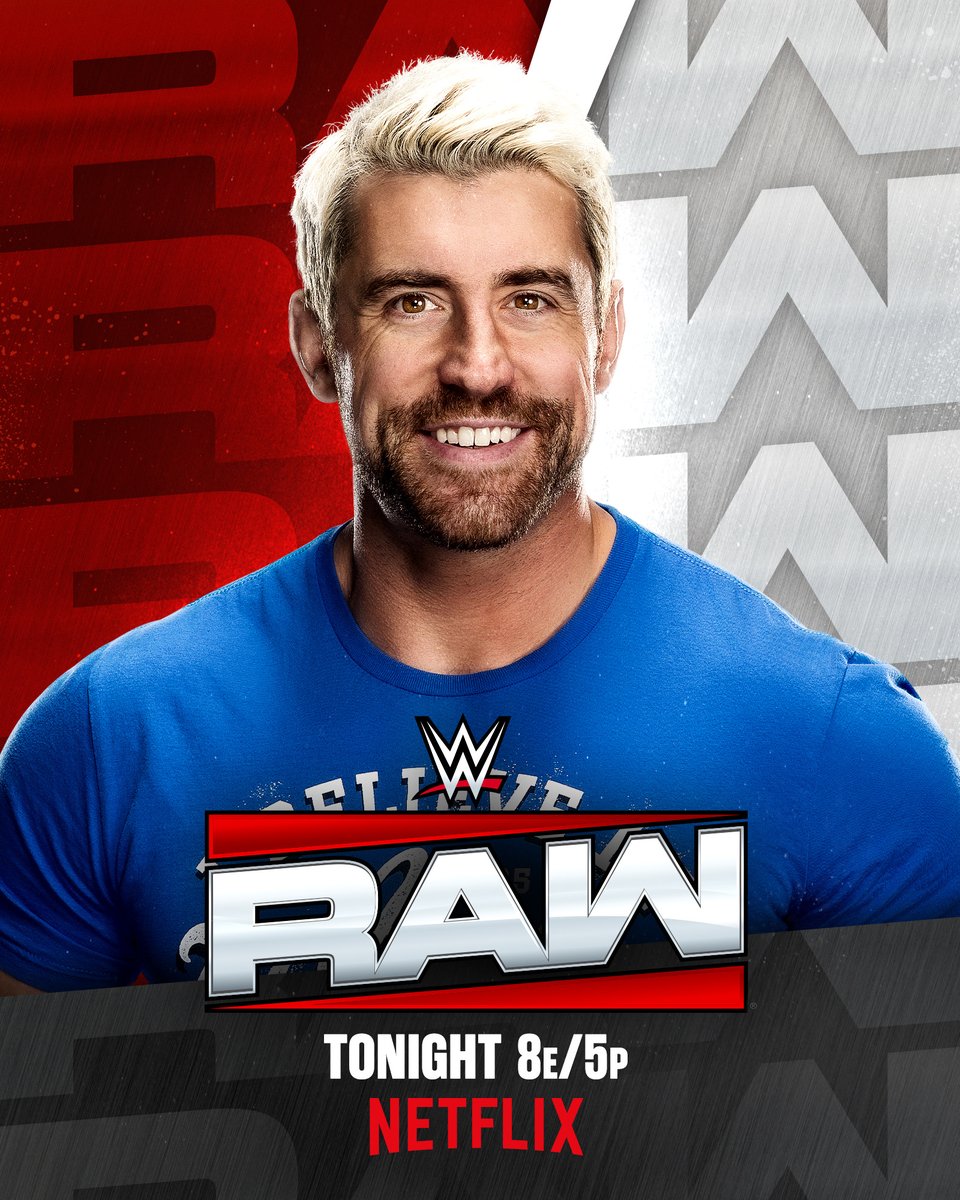
Say his name and he appears! @joehendry will be LIVE in concert TONIGHT on #WWERaw! 📍: Laredo...
Say his name and he appears! @joehendry will be LIVE in concert TONIGHT on #WWERaw! 📍: Laredo, TX 🎟️: https://t.co/yz7PNZVcix 📺: 8 ET/5 PT on @netflix https://t.co/CJEJe6Z1xJ
by WWE

Sure what Jimmy Kimmel said was over the line, but I just think he should be fired because his sh...
Sure what Jimmy Kimmel said was over the line, but I just think he should be fired because his show sucks and he’s a shit comedian.
by Brandon Herrera